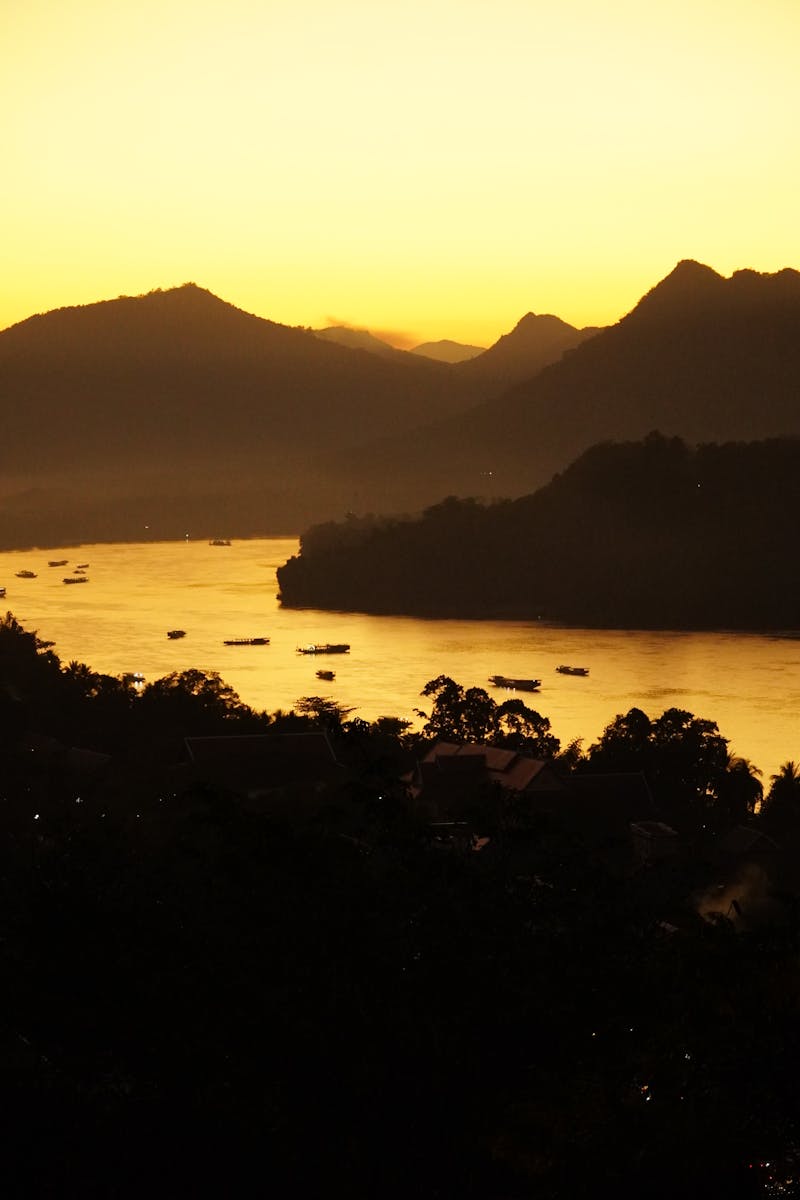
The idea started while kayaking down the Mekong River, searching for the endangered Irrawaddy dolphin. There are fewer than a hundred left in this stretch of the river. Seeing how close to extinction these animals were — and how underfunded the conservation efforts were — planted a seed.
The inspiration was Pokémon cards. What if you could collect cards of endangered species, but 100% of the money went to conservation? Each NFT would represent a real species from the IUCN Red List — Irrawaddy dolphins, Indochinese tigers, giant ibis. One clever aspect of NFTs made this especially interesting: the built-in commission system. We set it up so that 10% of all future resales would automatically generate revenue for the charity. Imagine if every baseball card or Pokémon card, even years after the initial sale, continued to fund a good cause. The implications for sustainable conservation funding were huge.
We partnered with Reef Check Indonesia for the on-the-ground conservation work, and pitched the concept to the Asian Development Bank's digital innovation fund. We won the funding. Then we got massively bogged down in bureaucracy. Slow institutional processes meant that by the time we were ready to launch, we were heading straight into crypto winter. The NFT market collapsed, institutional partners became even more risk-averse about blockchain, and what had felt like real momentum evaporated.
The project didn't work as planned. I am honest about that. But I think there is something there. I continue to stay engaged in Web3 and crypto developments, looking for future opportunities. So much airtime in this space goes to scams and speculation — I want to change that narrative and find ways to make genuine positive global impact from this technology. The idea was good. The timing and execution were not. Next time will be smarter.